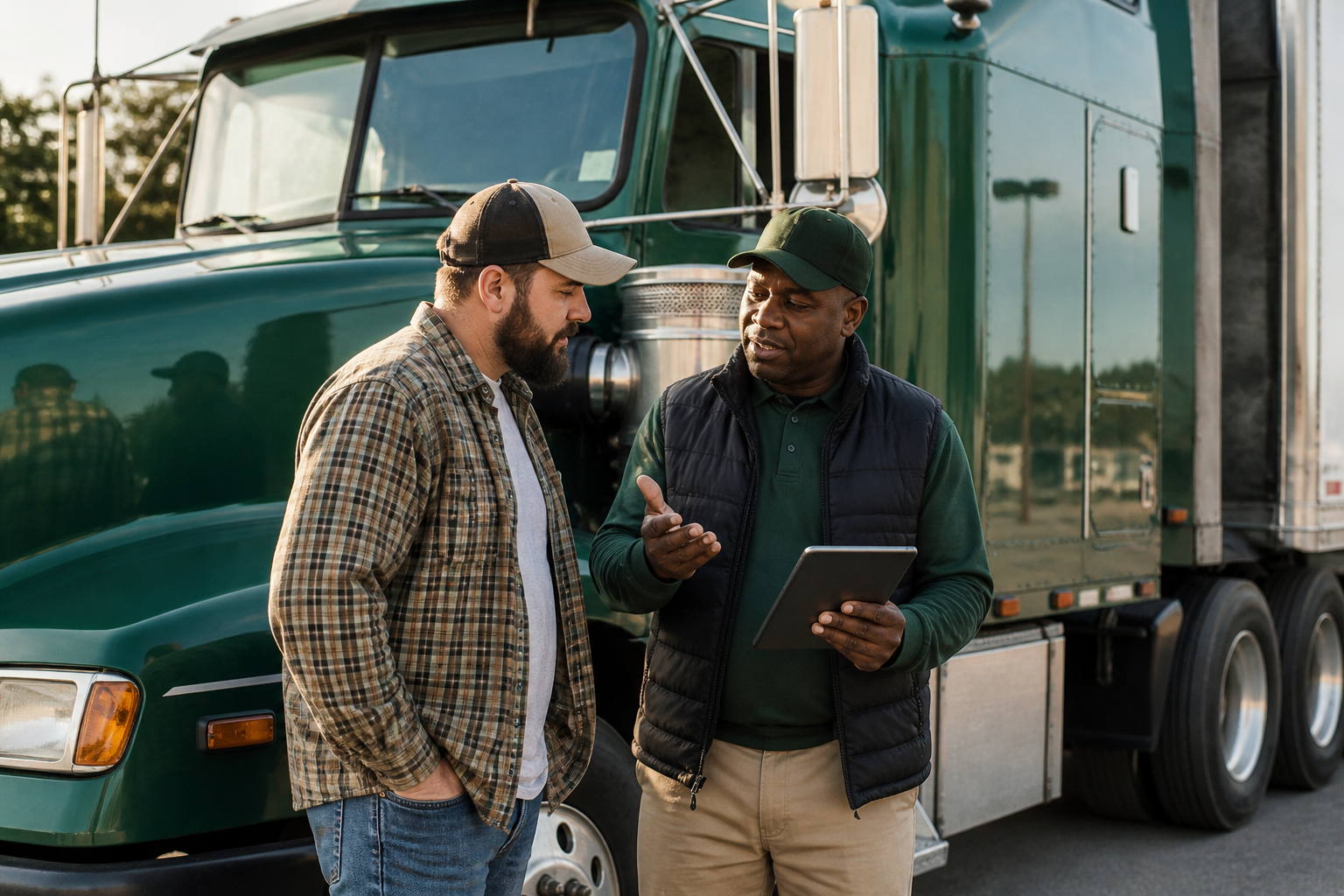
Understanding air brakes and combination vehicles is essential for anyone pursuing a Commercial Driver’s License (CDL) in the United States. Given the unique requirements for operating these vehicles, it’s crucial that CDL students organize their study materials effectively to grasp these important concepts. This guide provides a structured approach to studying air brakes and combination vehicles, highlighting key points for new commercial drivers.
Key Takeaways
- Air brakes require specific understanding and operation techniques, different from hydraulic brakes.
- Combination vehicles include tractor-trailers and require additional training and knowledge.
- Familiarity with federal and state regulations is critical for safe and legal operation.
- Practice through structured study materials and hands-on training is essential for mastering skills.
- Theoretical knowledge complements practical skills to ensure confidence on the road.
Understanding Air Brakes
Air brakes are a common system used in large trucks and buses. Unlike traditional hydraulic brake systems, which rely on brake fluid, air brakes use compressed air to function. They are crucial for ensuring safety, particularly in heavy vehicles that require a longer stopping distance. Here’s what you need to know:
Key Components of Air Brakes
- Compressor: Pumps air into the system.
- Reservoirs: Store compressed air for use in braking.
- Brake Chambers: Transmit air pressure to the brake pads.
- Slack Adjusters: Ensure proper brakes engagement and adjustment.
Operating Air Brakes
To operate air brakes safely, drivers must understand the pre-trip inspection process, which includes checking for leaks and ensuring that air pressure is within safe limits. Key practices include:
- Regularly checking air pressure gauges.
- Understanding the governor’s function in maintaining air pressure.
- Learning how to respond to loss of air pressure while driving.
Combination Vehicles
Combination vehicles, such as tractor-trailers, pose unique challenges due to their size and weight. These vehicles require a full understanding of restrictions and operations associated with them. Below are the critical aspects to focus on:
Regulatory Requirements
According to the Federal Motor Carrier Safety Administration (FMCSA), individuals seeking a CDL must undergo specific training, especially for combination vehicles. Be sure to familiarize yourself with:
- Federal regulations regarding vehicle operation.
- State variations in licensing requirements.
- Additional endorsements that may be needed for specific vehicle types.
Driving Skills for Combination Vehicles
When learning to operate combination vehicles, focus on these driving maneuvers:
- Turning, taking into account the longer wheelbase.
- Backing up securely and understanding trailer tracking.
- Utilizing air brakes effectively in both city and highway driving.
Study and Practice Resources
To prepare effectively, consider the following study resources:
- CDL Test: An online knowledge test that helps reinforce understanding of air brakes and combination vehicles.
- Supplemental Practice Topics: Additional study material that can enhance your knowledge.
- Find CDL Schools: Locate schools in your area that provide ELDT and behind-the-wheel training.
Checklist for Studying Air Brakes and Combination Vehicles
Use this checklist to ensure you cover all necessary materials:
- Understand the components of air brakes.
- Practice both theoretical knowledge and practical skills.
- Familiarize yourself with federal and state regulations.
- Engage with hands-on training through a registered provider.
FAQs
What is the difference between air brakes and hydraulic brakes?
Air brakes use compressed air, while hydraulic brakes rely on fluid pressure. Air brakes are typically more effective in heavy vehicles due to their ability to handle heavier loads.
Do I need a special endorsement for driving combination vehicles?
Yes, you may need a specific endorsement (like the “T” endorsement for double or triple trailers) depending on the state and type of combination vehicle.
What are the requirements for obtaining a Commercial Learner’s Permit (CLP)?
Generally, applicants must pass a knowledge test and meet the necessary medical and age requirements set by their state. You must hold the CLP for at least 14 days before taking the skills test.
Is hands-on training necessary before obtaining my CDL?
Yes, under FMCSA regulations, hands-on training is required. You need to complete a registered provider training program before licensure.
Where can I find additional study materials for my CDL?
Visit our CDL Learning Center for a variety of resources and study materials tailored for prospective commercial drivers.
Sources and Next Steps
To get started with your CDL preparation:
- Visit the FMCSA website for detailed information on obtaining your CDL.
- Check the Training Provider Registry to find registered providers that offer necessary training.
- Engage with your local DMV for specific state requirements regarding CDL applications and testing.
Understanding air brakes and combination vehicles is vital for safe and effective driving. By organizing your study effectively, utilizing the available resources, and engaging in practical training, you will be better prepared for your CDL journey.
Your next step
Compare CDL schools and training options, explore our CDL learning center, or build your knowledge with our main online CDL Test.
AI-assisted educational content. Verify current licensing requirements with your state licensing agency and training provider. Online resources do not replace required training or state licensing exams.