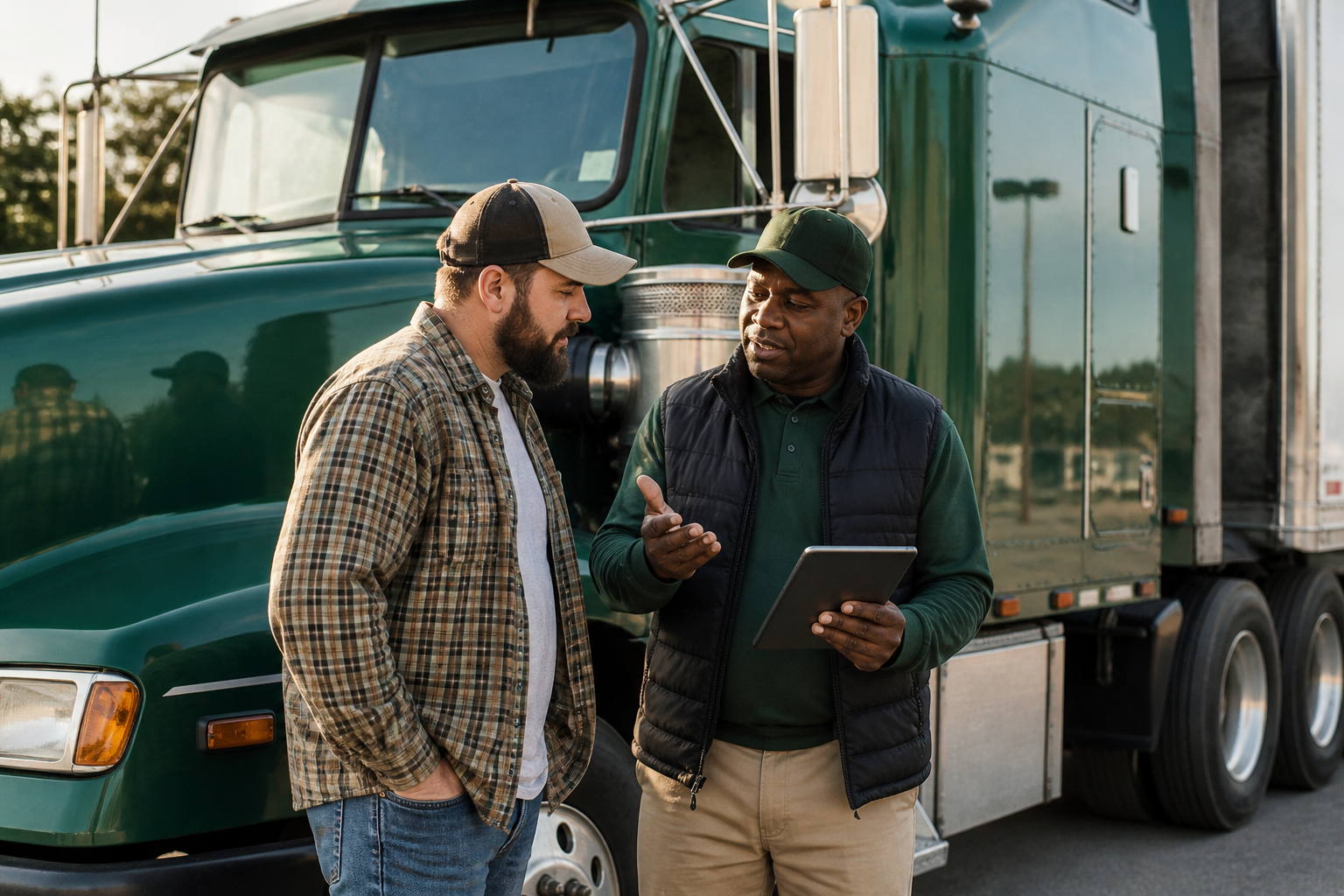
For prospective Commercial Driver’s License (CDL) students and new commercial drivers, understanding CDL training grants and workforce funding can be the first critical step in kickstarting your trucking career. This article will guide you through the various sources of financial aid available for CDL training, how to access them, and what to consider as you embark on this exciting journey.
Key Takeaways
- Numerous funding sources exist, including federal and state grants, scholarships, and loan programs.
- Eligibility for these programs can vary widely based on state guidelines and individual circumstances.
- Research and verify training providers are registered in the FMCSA’s Training Provider Registry.
- Repayment obligations and potential job placements after training may vary; inquire with specific programs and employers.
- Utilize online resources and local initiatives to find training grants that fit your needs.
Understanding CDL Training Grants
CDL training grants are financial aids designed to support individuals pursuing a commercial driver’s license. These grants can cover tuition costs, fees, and sometimes other training-related expenses. The availability and amount of funding depend on various factors, including your location, the training provider, and your personal circumstances.
Types of Funding Sources
Here are some common sources of funding for CDL training:
- Federal Grants: Programs such as the Workforce Innovation and Opportunity Act (WIOA) may provide funds for job training, including CDL programs, especially for individuals dislocated from their jobs.
- State Programs: Many states have their own workforce development programs that may offer grants, scholarships, or financial aid specific to the trucking industry.
- Private Scholarships: Numerous organizations provide scholarships for individuals pursuing careers in transportation. Research local trucking associations or community organizations for opportunities.
- Employer Sponsorship: Some trucking companies offer training programs that include funding for the CDL. These usually come with work contracts post-training.
Eligibility and Application
Eligibility requirements can vary significantly depending on the funding source. Here are a few points to consider when applying:
- Check the specific eligibility criteria for each program, as they can differ based on income level, veteran status, or previous employment.
- Gather required documentation like proof of income, military service records, or previous employment records when applying for grants or scholarships.
- Contact local workforce boards or community colleges for information about available programs and assistance in completing applications.
Finding a CDL Training Program
Researching and choosing a reputable CDL training program is essential. Making informed choices can save time and money as you progress through your training. Here’s how to start:
Use the FMCSA Training Provider Registry
The Federal Motor Carrier Safety Administration (FMCSA) maintains a Training Provider Registry. This tool helps ensure that the training provider you choose meets federal requirements for CDL training. Here’s how to navigate it:
- Visit the FMCSA Training Provider Registry.
- Use the search options to find registered training providers in your area.
- Verify that the training provider you select is in good standing and meets your state’s educational requirements.
Gather Information and Compare Programs
When evaluating different training programs, consider the following criteria:
| Training Program | Cost | Duration | Job Placement Support |
|---|---|---|---|
| Program A | XXX | YYYY weeks | Yes/No |
| Program B | XXX | YYYY weeks | Yes/No |
| Program C | XXX | YYYY weeks | Yes/No |
Questions to Ask Training Providers
When you contact a training provider, ask the following questions to gather the necessary information:
- What funding options do you offer or recommend?
- What is included in the training program fee?
- What are the job placement rates for graduates?
- Can you provide examples of companies that hire your graduates?
- What support do you offer for obtaining a CDL test appointment?
Checklist for Securing Funding
Follow this checklist to ensure you explore all available funding options for your CDL training:
- Research federal, state, and local grants and funding options.
- Contact local workforce boards and community colleges for information and assistance.
- Check the FMCSA Training Provider Registry for approved training programs.
- Compile necessary documentation for your grant and scholarship applications.
- Prepare and submit applications to your chosen programs.
FAQs
What is a CDL?
A Commercial Driver’s License (CDL) is a license required to operate large commercial vehicles such as trucks and buses. Requirements can vary by state.
How long does it take to get a CDL?
The duration of CDL training programs can vary but typically ranges from 3-7 weeks, depending on the program and whether you attend full-time or part-time.
Can I get financial aid if I already have a job?
Yes, you might still qualify for grants or scholarships, but eligibility will depend on the specific funding source’s criteria. Be sure to check those details when applying.
What happens if I don’t pass the CDL test?
Most training programs offer retesting support, but there may be additional fees or requirements. Inquire about retesting policies before enrolling.
How do I verify the cost of a training program?
Contact the training institution directly to discuss your financial situation and verify costs. Their representatives can guide you through funding options and repayments.
Sources and Next Steps
To get started on your CDL journey, explore further resources:
- CDL Learning Center for educational materials.
- Find CDL Schools in your area.
- Online CDL Knowledge Test for practice.
For job opportunities, check our listings at Browse Driving Jobs.
By understanding available funding options and exploring training programs efficiently, you can take essential steps toward achieving your CDL and starting your career in the trucking industry.
Your next step
Compare CDL schools and training options, explore our CDL learning center, or build your knowledge with our main online CDL Test.
AI-assisted educational content. Verify current licensing requirements with your state licensing agency and training provider. Online resources do not replace required training or state licensing exams.