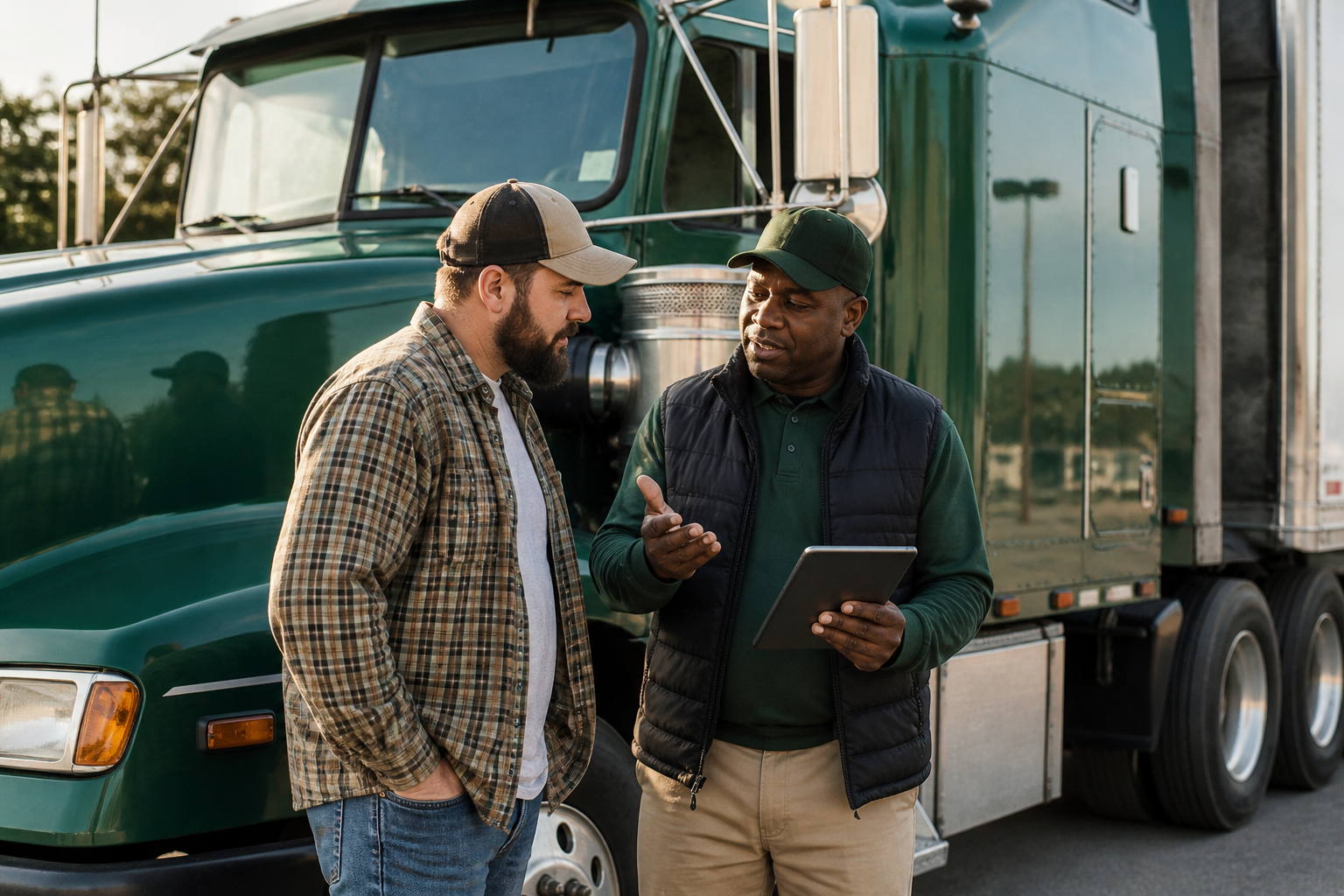
How long it takes to get a Commercial Driver’s License (CDL) often depends on a mix of factors, including the state you’re in, your personal dedication, and the training route you choose. Generally, the process can take anywhere from a few weeks to a few months. This article breaks down the realistic training timeline, highlighting crucial steps and considerations for prospective CDL students and new commercial drivers.
Key Takeaways
- The total timeline can range from 3 weeks to several months.
- Expect to hold a Commercial Learner’s Permit (CLP) for at least 14 days before taking the skills test.
- Training can vary in length based on the type of CDL and the training provider.
- Federal and state regulations can differ, impacting training timelines and requirements.
- Research your state’s specific requirements through your local licensing agency.
Understanding the CDL Process
1. Eligibility and Initial Steps
Before diving into training, check that you meet the basic eligibility requirements. Generally, you must be at least 18 years old to drive within your state and 21 to operate across state lines (interstate). Here are some steps involved:
- Visit your local Department of Motor Vehicles (DMV): Each state has its own DMV or Department of Transportation (DOT) where you can find specific information.
- Check for medical requirements: Ensure you meet the medical standards, which usually involve passing a DOT medical exam.
- Gather necessary documents: This typically includes identification, proof of residency, and social security number.
2. Obtaining a Commercial Learner’s Permit (CLP)
Before you can begin driving a commercial vehicle, you’ll need to get your CLP. The process includes:
- Theory Knowledge Test: Passing this test allows you to obtain your permit. This test assesses your understanding of road signs, safety regulations, and handling commercial vehicles.
- Holding Period: Once you have your CLP, you must hold it for at least 14 days before taking the skills test. However, some states may have additional requirements, so check with your local DMV.
3. Training Options
Training is a significant factor that influences how quickly you can obtain your CDL. Options include:
- Driving Schools: Most people choose formal training programs, which can last from a few weeks to several months, depending on the program’s intensity and your availability.
- On-the-Job Training: Some companies offer training as part of employment, which can extend the time it takes to get your CDL if you need to learn while working.
- Self-Study: While you can’t bypass official training, supplementing your education with self-study can enhance your skills and knowledge faster.
4. Skills Testing
Once training is complete and you’ve held your CLP for the required period, it’s time for the skills test. This is divided into:
- Pre-Trip Inspection: Demonstrate your ability to inspect the vehicle before driving.
- Basic Control Skills: Test your proficiency with essential driving maneuvers.
- On-Road Driving: Showcase your ability to drive safely in real-world conditions.
Passing all parts of the skills test will grant you your CDL. Each state may have specific additional tests or requirements, so confirm with your DMV.
5. Timeline Overview
Here’s a simple comparison table to summarize the different phases and estimated timeframes:
| Phase | Estimated Time |
|---|---|
| Eligibility and Document Collection | 1 week |
| CLP Application and Waiting Period | 2-4 weeks |
| Training (classroom & behind-the-wheel) | 3-8 weeks |
| Skills Testing and CDL Issuance | 1-2 weeks |
| Total Estimated Time | 5-15 weeks |
FAQs
1. Can I start training before getting my CLP?
Generally, you must obtain your ClP before beginning truck training; however, some programs may offer preparatory classes.
2. Are there different requirements for Class A and Class B CDLs?
Yes, different classes require specific training and testing. Class A covers combination vehicles, while Class B is for single vehicles over a certain weight.
3. What should I look for in a CDL training program?
Consider training duration, cost, reputation, and whether the program includes both classroom and hands-on training. Use the FMCSA Training Provider Registry to evaluate options.
4. Can I find CDL training online?
While theory components may offer online options, practical training must be completed with a licensed provider behind the wheel.
5. How can I verify my state’s specific CDL requirements?
Visit your state’s DMV website or contact them directly for the most accurate and updated information.
Sources and Next Steps
The steps to obtaining your CDL may vary, so it’s crucial to consult trusted resources. For further information, visit the following:
- FMCSA: How Do I Get a Commercial Driver’s License?
- FMCSA Training Provider Registry
- Find CDL Schools
Getting a CDL involves a clear understanding of processes and timelines. Engaging with the official sources and choosing the right training will facilitate a smoother transition to a licensed commercial driver.
Your next step
Compare CDL schools and training options, explore our CDL learning center, or build your knowledge with our main online CDL Test.
AI-assisted educational content. Verify current licensing requirements with your state licensing agency and training provider. Online resources do not replace required training or state licensing exams.