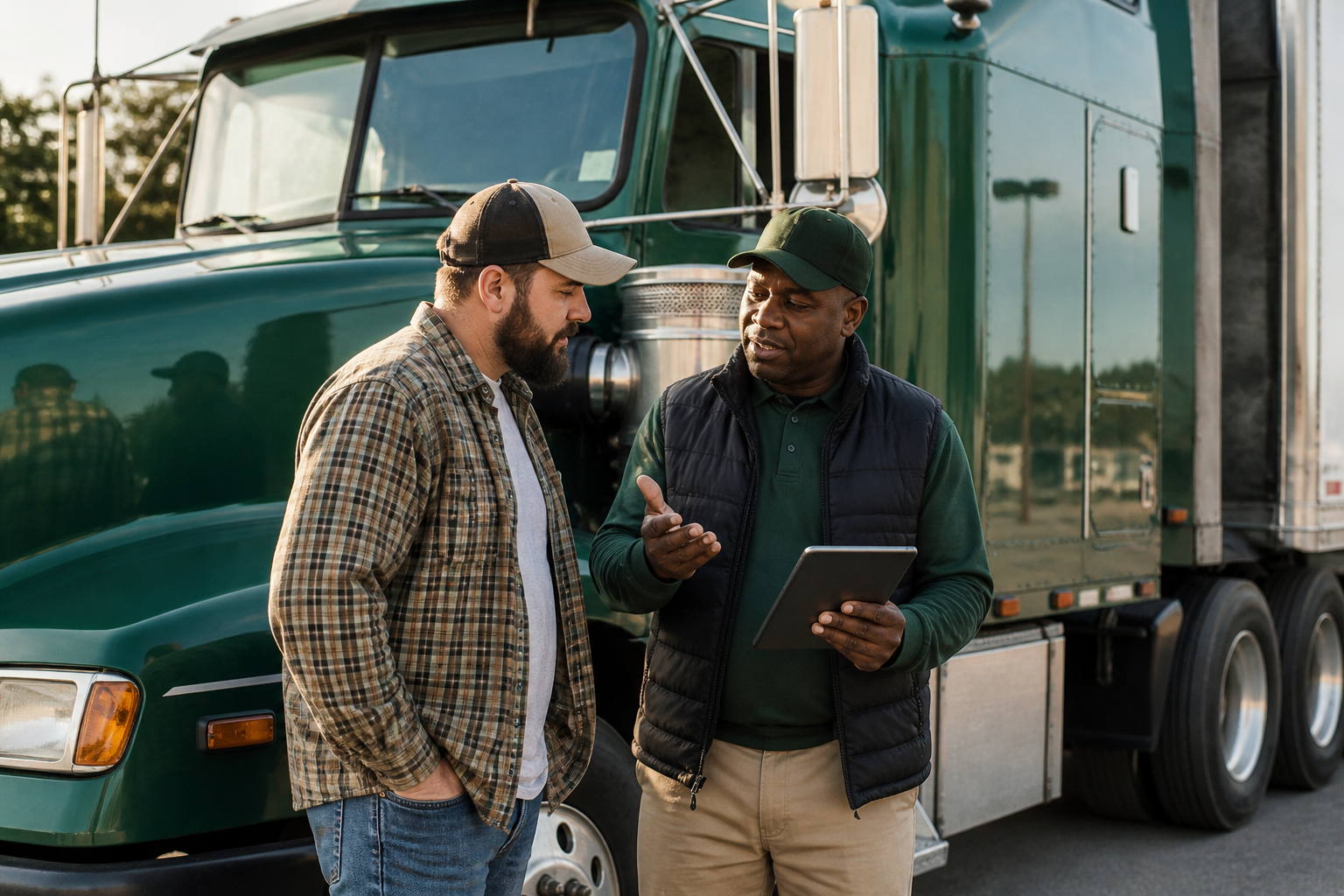
Starting your journey towards a Commercial Driver’s License (CDL) can be both exciting and overwhelming. Your first week of CDL school is crucial for laying the groundwork for your training ahead. In this guide, we’ll explore what to expect during that initial week, ensuring you’re well-prepared for this new chapter in your career.
Key Takeaways
- Familiarize yourself with the school environment and important policies.
- Understand the curriculum, including classroom learning and hands-on training.
- Meet your instructors, who are critical to your learning experience.
- Connect with fellow students, as building relationships can be beneficial.
- Start developing good study habits and time management skills.
Getting Acclimated
Your first week will often begin with an orientation session. This is your chance to get to know the facility, your instructors, and fellow students. Expect to learn about:
- School Policies: Attendance requirements, classroom etiquette, and safety protocols.
- Curriculum Overview: Subjects covered, such as vehicle operation, safety regulations, and maintenance.
- Resources Available: Access to learning materials, driving simulators, and perhaps online resources.
Classroom Learning
Most CDL schools will have you start with classroom instruction. This generally includes:
- Theoretical Knowledge: Understanding traffic laws, safety standards, vehicle regulations, and more.
- Study Materials: Textbooks, handouts, and possibly access to an online CDL knowledge test for practice.
During the first week, focus on taking thorough notes and engaging with your instructors. Asking questions early can clarify complex topics.
Hands-On Training
Although most of the first week may be spent in the classroom, some schools integrate practical training. This could include:
- Introduction to Vehicles: Getting familiar with the trucks you’ll eventually drive.
- Basic Vehicle Operations: Learning about starting, stopping, and maneuvering the vehicle in a controlled environment.
Building Relationships and Networking
Your fellow students will often be invaluable resources during your training. Connecting with peers allows you to share tips, study together, and provide each other with support. Consider:
- Exchanging contact information to keep in touch.
- Forming study groups to review materials covered in class.
- Discussing experiences and strategies to improve skills and knowledge.
Establishing Good Habits
The first week at CDL school sets the tone for the rest of your training. To make the most of your experience, incorporate good habits like:
- Consistent Study Routine: Set aside dedicated study time daily to review class notes and materials.
- Effective Time Management: Balancing study and personal life is key—create a schedule to stay organized.
- Seeking Help: Don’t hesitate to approach instructors with questions or for additional resources.
Checklist for Your First Week
- Attend orientation and familiar yourself with school policies.
- Meet your instructors and connect with fellow students.
- Review your study materials thoroughly.
- Engage actively in classroom discussions and practical activities.
- Start establishing a study and time management routine.
FAQs
What documents do I need for CDL school?
Typically, you’ll need a valid state-issued driver’s license and possibly proof of residency. Check with your chosen school for any specific requirements.
Will I be required to take a drug test?
Many CDL schools require a drug test as part of their enrollment process, especially if they align your training with industry standards. Confirm with your school about their specific requirements.
How do I prepare for the CDL knowledge test?
Utilize your school’s study materials and practice tests. Online resources, including the main CDL knowledge test, can also provide helpful practice.
Can I get financial aid for CDL school?
Many CDL schools offer financial aid options, scholarships, or payment plans. Check your school’s financial aid office for available assistance.
Are all schools regulated the same way?
No, while federal guidelines set a baseline, individual states may have additional regulations or requirements. Always verify with your state’s licensing agency regarding specific rules and programs.
Sources and Next Steps
As you embark on this journey, ensure you have reliable information. For more on obtaining your CDL, visit the FMCSA website. To find a qualified CDL school near you, check our CDL school directory. Additionally, enhance your knowledge through our online CDL knowledge test.
Your next step
Compare CDL schools and training options, explore our CDL learning center, or build your knowledge with our main online CDL Test.
AI-assisted educational content. Verify current licensing requirements with your state licensing agency and training provider. Online resources do not replace required training or state licensing exams.