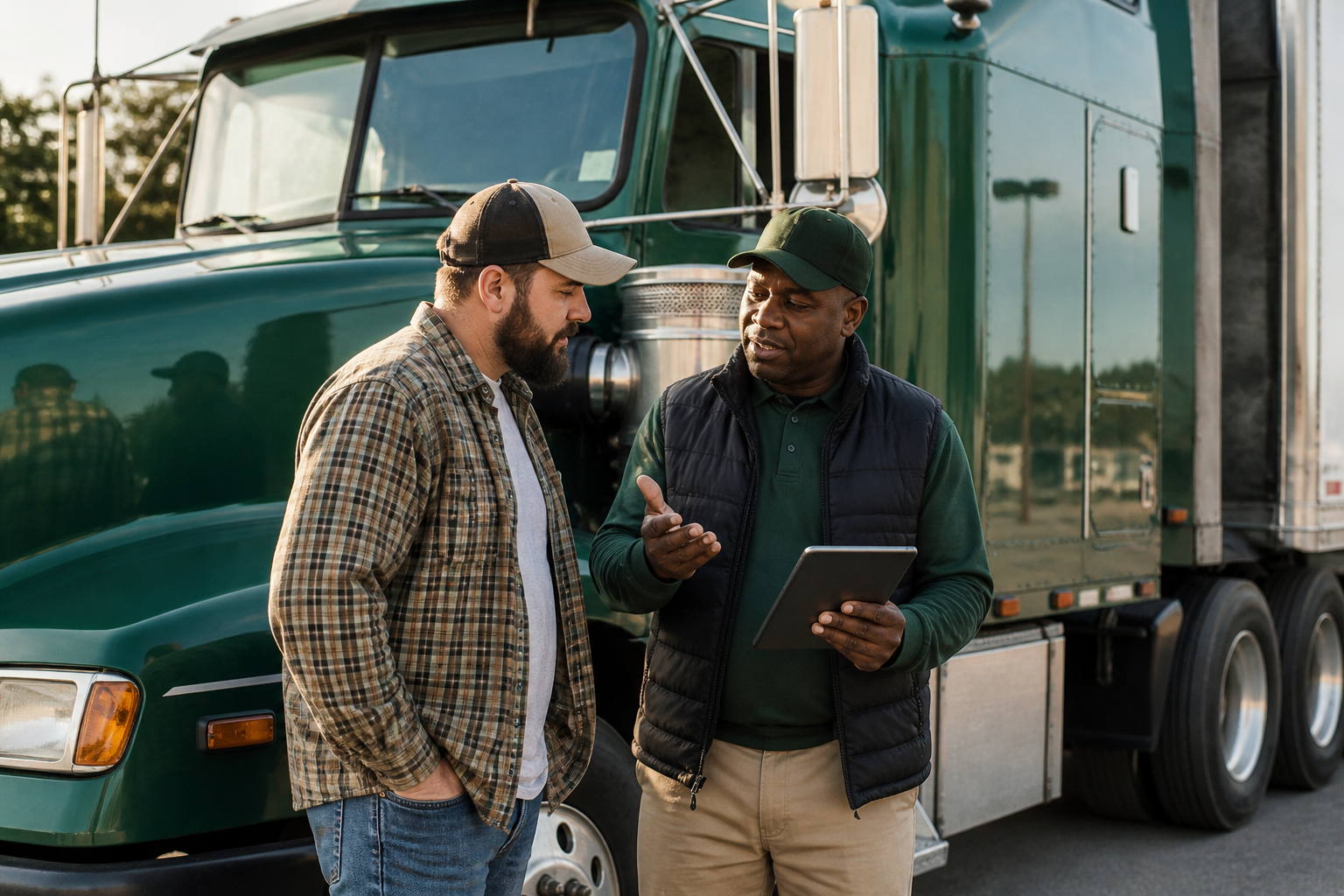
Obtaining a Commercial Driver’s License (CDL) opens up a wide range of career options beyond traditional long-haul trucking. While many may think of CDL as synonymous with long-distance freight transport, there are numerous pathways available that can align with various interests and lifestyles. This article explores some of those career opportunities, showing how a CDL can be a versatile credential in the transportation industry.
Key Takeaways
- A CDL provides access to diverse job roles in transportation beyond long-haul trucking.
- Specialized driving roles, such as in construction or emergency services, offer unique career paths.
- Many CDL jobs can provide a better work-life balance compared to long-haul trucking.
- Gaining additional endorsements can further expand your employment opportunities.
- Researching specific state requirements is vital for understanding available options.
Career Options with a CDL
1. Local Delivery Driver
Local delivery drivers operate within a specific region or city, often making multiple stops throughout the day. This role allows drivers to return home each evening, making it appealing for those seeking a balance between work and personal life. Local delivery can include:
- Food and beverage delivery
- Parcel and package distribution
- Building materials and home goods logistics
2. Bus Driver
A CDL is essential for becoming a bus driver, whether for public transportation, school bus services, or charter tours. This role often involves working set schedules which help in maintaining a consistent routine. Responsibilities may include:
- Safely transporting passengers to their destinations
- Conducting pre-trip vehicle inspections
- Ensuring passenger safety and comfort during the journey
3. Construction Vehicle Operator
For those interested in the construction field, a CDL can enable you to operate heavy machinery, such as dump trucks or concrete mixers. This role contributes to various construction projects and can be an exciting way to work outdoors. Typical duties include:
- Transporting materials to job sites
- Operating machinery in compliance with safety regulations
- Working closely with construction crews
4. Emergency Services Driver
A CDL is sometimes required for emergency vehicle operators, including fire trucks and ambulances. This career path can be fulfilling as you contribute to public safety. Responsibilities include:
- Responding quickly to emergencies
- Ensuring the safety of personnel and the public
- Maintaining vehicles according to regulations
5. Tow Truck Operator
Tow truck operators are critical for roadside assistance. A CDL opens opportunities for those who wish to work in this fast-paced environment. Key roles include:
- Responding to breakdowns or accidents
- Safely transporting vehicles to repair shops
- Providing customer support in stressful situations
How to Enhance Your CDL Opportunities
Explore Additional Endorsements
Obtaining additional endorsements can expand your potential job roles. Common endorsements include:
- Hazardous Materials (Hazmat) – necessary for transporting dangerous goods.
- Tank Vehicles – needed for trucks that carry liquids in tanks.
- Passenger Vehicles – essential for driving larger passenger vans or buses.
Stay Informed on State Requirements
Each state has specific rules regarding CDL classifications and endorsements. It’s crucial to refer to your state’s Department of Motor Vehicles or equivalent authority to ensure compliance and obtain accurate information regarding:
- Local job availability
- Endorsement requirements
- Renewal procedures and any changes in regulations
Checklist for Getting a CDL
- Complete a training program at a registered provider.
- Obtain a Commercial Learner’s Permit (CLP) – check local requirements.
- Meet any pre-requisites such as medical examinations and background checks.
- Schedule and pass the skills test after meeting the minimum CLP holding period of 14 days.
- Keep your CDL renewed according to state regulations.
FAQs
What is the difference between Class A and Class B CDLs?
Class A CDLs are required for operating combination vehicles with a gross vehicle weight rating (GVWR) of 26,001 pounds or more, while Class B CDLs are for single vehicles with a GVWR of 26,001 pounds or more.
Can I drive a school bus with a regular driver’s license?
No, driving a school bus typically requires a CDL with a passenger endorsement, as well as meeting additional training and licensing requirements specific to your state.
Are there jobs that don’t require long hours away from home?
Yes, many positions such as local delivery drivers, bus drivers, and construction vehicle operators allow you to return home daily and usually have more predictable working hours.
How can I find local CDL job opportunities?
Resources such as job boards, local classifieds, and networking within community groups can provide insights into available positions. Additionally, you can explore our driving jobs directory for options.
How do I ensure I follow my state’s regulations?
Always refer to your state’s Department of Motor Vehicles or equivalent for the latest regulations, requirements, and resources to stay compliant.
Sources and Next Steps
For a deeper dive into obtaining your CDL and exploring schools, visit the following resources:
- FMCSA’s Guide on Obtaining a CDL
- Training Provider Registry
- Explore CDL Schools
- Practice for the CDL Knowledge Test
By understanding the wide array of opportunities available with a CDL, you can tailor your career path to your interests and goals. Whether you are drawn to local delivery or eager to work in emergency services, your CDL can serve as the gateway to a rewarding career in transportation.
Your next step
Compare CDL schools and training options, explore our CDL learning center, or build your knowledge with our main online CDL Test.
AI-assisted educational content. Verify current licensing requirements with your state licensing agency and training provider. Online resources do not replace required training or state licensing exams.