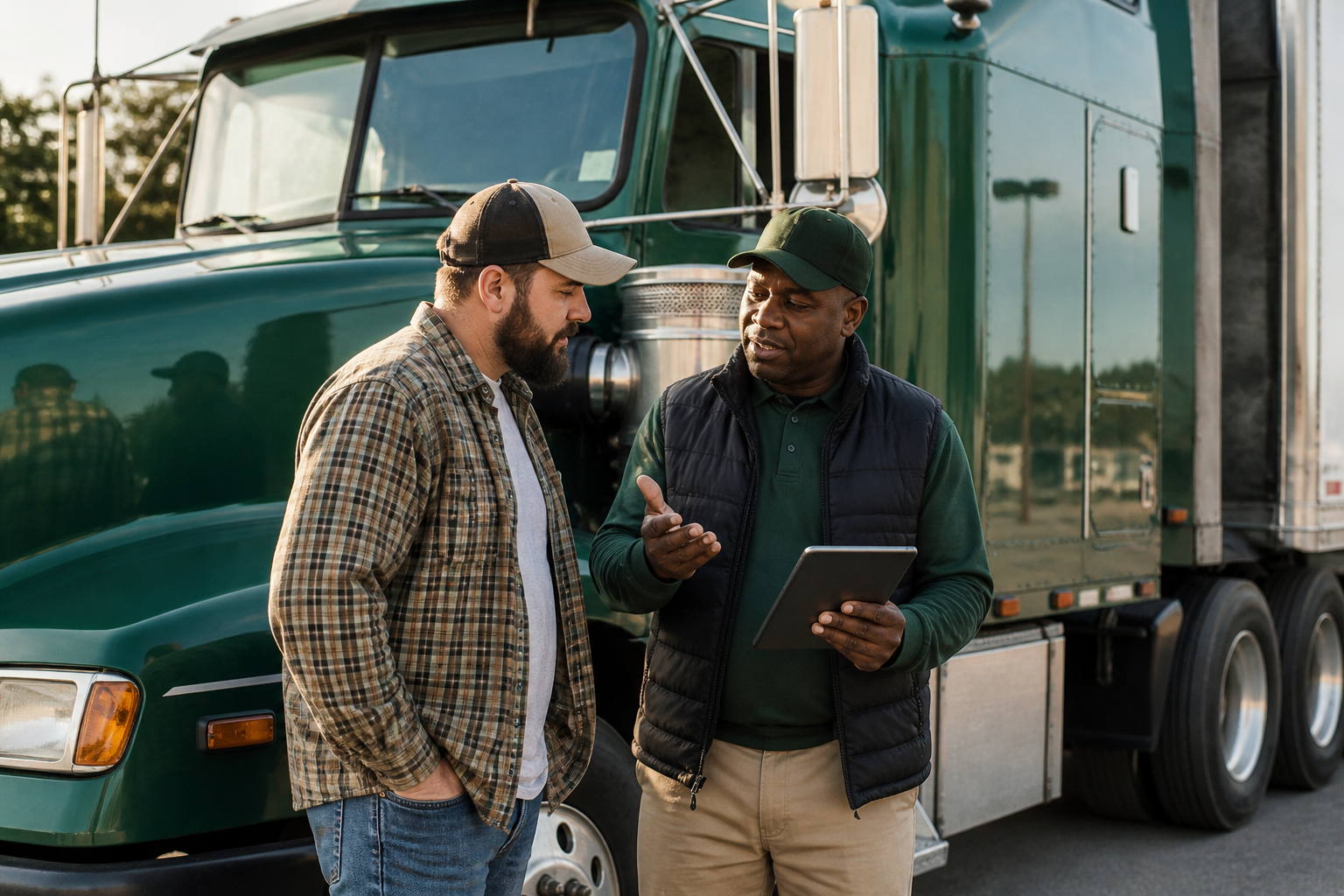
Yes, you can pursue a Commercial Driver’s License (CDL) while working full-time. However, careful planning and consideration of your schedule, training requirements, and state-specific regulations are crucial. Balancing a work commitment with CDL training can be manageable with the right approach.
Key Takeaways
- Balancing full-time work and CDL training is possible with strategic planning.
- Training requirements can vary by state; consult your state licensing agency for specifics.
- A Commercial Learner’s Permit (CLP) is the first step before testing for a CDL.
- Utilize the FMCSA Training Provider Registry to find approved training providers.
- Consider your personal schedule and learning style when choosing a training format (in-person vs. online).
Understanding CDL Training Requirements
The process of obtaining a CDL involves multiple steps dictated by federal and state regulations. The Federal Motor Carrier Safety Administration (FMCSA) outlines minimum training requirements, but states can impose additional requirements. Understanding both can help you plan effectively.
Steps to Obtain a CDL While Working Full-Time
- Research State Requirements: Visit your state’s licensing agency website for specific information on obtaining a CDL, as requirements vary.
- Obtain a Commercial Learner’s Permit (CLP): You must typically hold a CLP for at least 14 days before taking the skills test. This permit allows you to practice driving under the supervision of a licensed CDL holder.
- Select a Training Provider: Use the FMCSA Training Provider Registry to find registered training providers that suit your schedule.
- Schedule Your Training: Determine whether to pursue full-time or part-time training. Consider evening or weekend classes if your job is inflexible.
- Prepare for the Test: Use resources like our main online CDL knowledge test to prepare for the written exam required to obtain a CLP.
- Complete Skills Training: Once you have your CLP, complete the required behind-the-wheel training with an instructor, focusing on both practical skills and safety.
- Pass the Skills Test: Schedule and take your skills test to obtain your CDL, keeping in mind that you may need to wait until your CLP has been active for the required time.
Training Options
There are typically two main training formats to consider:
- In-Person Training: This format often involves attending classes at a local driving school, providing hands-on experience and direct interaction with instructors.
- Online/Hybrid Training: Some programs offer online theory classes combined with in-person driving practice, which can be beneficial for those with tight schedules.
Comparing In-Person vs. Online Training
| Training Format | Advantages | Disadvantages |
|---|---|---|
| In-Person | Hands-on training, immediate feedback, structured schedule | Less flexible, may have fixed hours |
| Online/Hybrid | Flexible schedule, learn at your own pace | Less hands-on practice, requires self-discipline |
Check Your Eligibility
Before committing to a CDL program, assess your qualifications and any restrictions that could impact your ability to obtain a CDL, such as:
- Medical requirements: Check if you meet the medical standards set by the FMCSA.
- Driving record: Ensure your driving history is clear of disqualifying offenses.
- Background checks: Be aware that some employers may conduct background checks that could affect your employment prospects.
Frequently Asked Questions
Can I get a CDL if I have a full-time job?
Yes, many people successfully obtain their CDL while working full-time. It requires careful planning and may involve choosing flexible training options.
How long does it take to get a CDL?
The duration of training can vary based on your chosen program. Courses can range from a few weeks to several months, depending on factors like class size and training format.
What if my state has additional CDL requirements?
Always check with your state licensing agency for any additional requirements beyond federal guidelines. Each state may have specific rules governing the process.
How do I find a training provider near me?
You can locate a registered training provider using the FMCSA Training Provider Registry. This tool allows you to filter by location and training type.
Can I use my employer’s truck for testing?
Yes, many training schools allow students to use their employer’s truck, provided it meets state requirements. Be sure to verify this option with your training provider.
Sources and Next Steps
To get started on your path to obtaining a CDL while working full-time, visit the following resources:
- FMCSA – How to Get a Commercial Driver’s License
- FMCSA Training Provider Registry
- CDL Learning Center for additional resources.
With the right planning and resources, you can successfully navigate CDL training and still meet your full-time job commitments.
Your next step
Compare CDL schools and training options, explore our CDL learning center, or build your knowledge with our main online CDL Test.
AI-assisted educational content. Verify current licensing requirements with your state licensing agency and training provider. Online resources do not replace required training or state licensing exams.