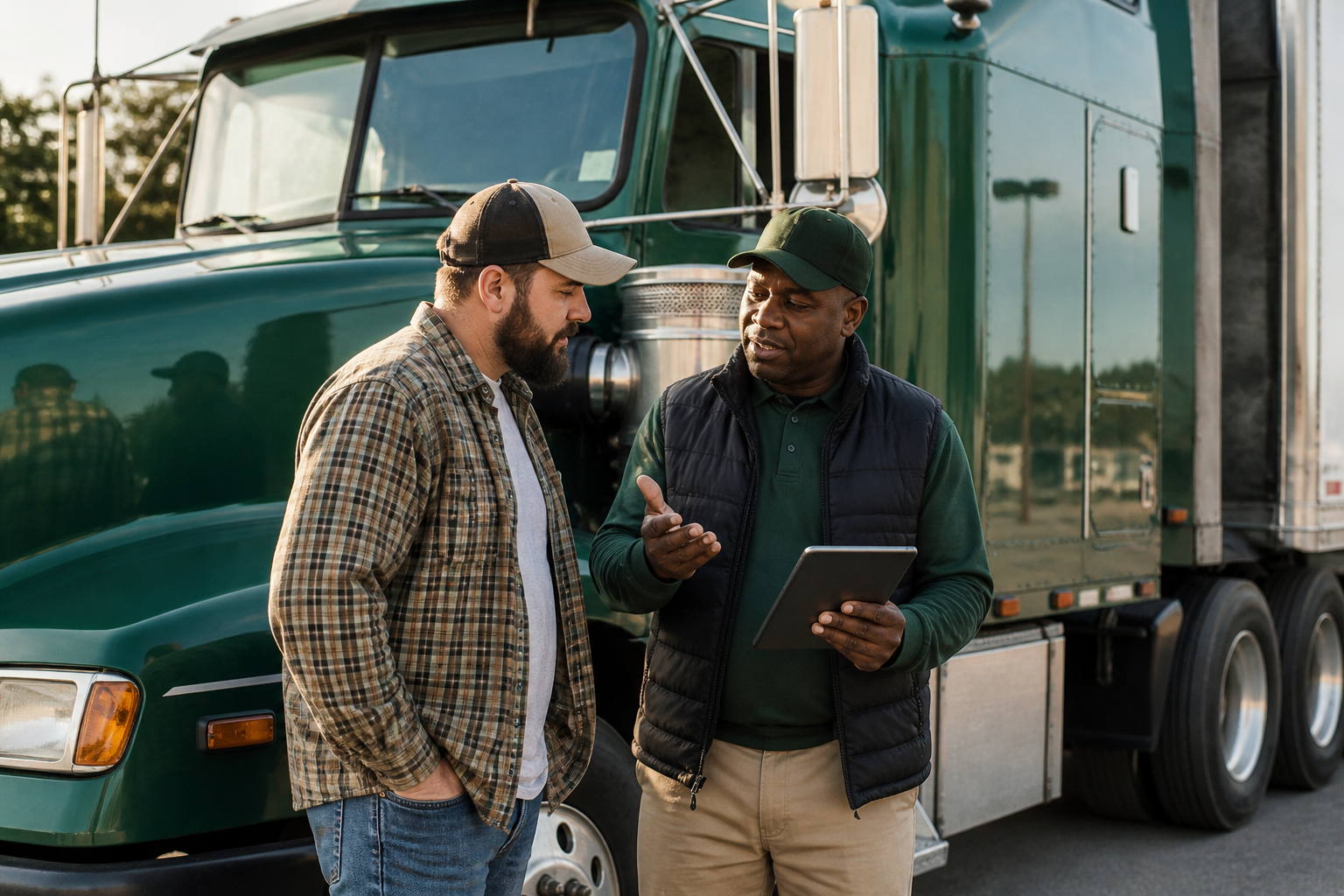
When considering a career as a commercial driver, understanding the differences between Class A, Class B, and Class C Commercial Driver’s Licenses (CDLs) is crucial. Each license type permits you to operate different vehicles and can significantly impact your job opportunities and career path. This article will help you determine which CDL fits your career aspirations based on vehicle types you wish to drive and the job market demands.
Key Takeaways
- Class A CDL allows you to drive large trucks and vehicles with trailers over 10,000 pounds.
- Class B CDL is typically for driving single vehicles over 26,000 pounds and certain buses.
- Class C CDL is designed for smaller vehicles, including those transporting 16 or more passengers or hazardous materials.
- State requirements can vary, so it’s essential to check your local licensing agency for specific regulations.
- Training from a registered provider is typically required for Class A and B applicants before skills testing.
Understanding the Different Class CDLs
Class A CDL
A Class A CDL allows you to operate any combination of vehicles with a gross combined weight rating (GCWR) of 26,001 pounds or more, provided the towed vehicle exceeds 10,000 pounds. This license is often required for:
- Tractor-trailers
- Double and triple trailers
- Flatbeds
This classification offers broad opportunities, particularly in long-haul trucking, which is a significant segment of the transportation industry. To qualify, you must complete federally mandated Entry-Level Driver Training (ELDT) from a registered provider and pass both a written and a skills test after holding a Commercial Learner’s Permit (CLP) for at least 14 days.
Class B CDL
The Class B CDL is designed for drivers operating single vehicles with a gross vehicle weight rating (GVWR) of 26,001 pounds or more. This also includes vehicles towing trailers weighing less than 10,000 pounds. Typical vehicles you can drive with a Class B CDL include:
- Large buses
- Box trucks
- Dump trucks
If you’re seeking work with local delivery services or school bus transportation, a Class B license can be a strong choice. Similar to Class A, you must complete training from a registered provider and obtain a CLP for at least 14 days before taking the skills test.
Class C CDL
A Class C CDL is meant for smaller commercial vehicles, specifically those designed to transport 16 or more passengers or hazardous materials (hazmat). Vehicles under this classification might include:
- Small buses
- Vans
- Vehicles carrying hazardous materials
This license also requires adherence to federal ELDT rules, but the specifics can vary from state to state. If you’re interested in driving a bus or transporting hazmat materials, then pursuing a Class C CDL could be the right career move.
Comparison Table of CDL Classes
| CDL Class | Required Vehicle Weight | Typical Vehicles | Job Roles |
|---|---|---|---|
| Class A | GCWR of 26,001+ lbs (towed > 10,000 lbs) | Tractor-trailers, flatbeds | Long-haul trucking, freight transport |
| Class B | GVWR of 26,001+ lbs (towed < 10,000 lbs) | Buses, dump trucks | Local delivery, bus driver |
| Class C | Vehicles not meeting A or B criteria | Small buses, hazmat vehicles | Passenger transport, hazmat transport |
Checklist for Getting Your CDL
- Determine which class of CDL fits your career aspirations.
- Research your state’s specific requirements, including age and background checks.
- Enroll in an approved training program from the Training Provider Registry.
- Obtain your Commercial Learner’s Permit (CLP) and hold it for at least 14 days.
- Pass the written and skills tests to receive your CDL.
Frequently Asked Questions
Can I obtain a CDL if I have a criminal record?
Eligibility requirements can vary greatly among states. It’s best to check with your state’s licensing agency to understand any specific restrictions.
How long does it take to get a CDL?
The time taken to earn a CDL can depend on the training program you choose, the state requirements, and how prepared you are for the tests. Most programs take a few weeks to complete.
Are there additional endorsements I can earn?
Yes, there are numerous endorsements available for additional skills, such as transporting passengers or hazardous materials. Specific training and testing are required for endorsements.
Do I need a medical exam to get a CDL?
Yes, a medical exam is often required to ensure drivers meet the physical standards set by the Federal Motor Carrier Safety Administration (FMCSA).
Sources and Next Steps
To explore your options further and ensure you understand the specific requirements for your state, visit the FMCSA CDL Guide. For information on CDL training providers, check the Training Provider Registry.
Additionally, find CDL schools in your area through our CDL School Directory. Prepare for your tests with practice materials in the CDL knowledge test section.
Your next step
Compare CDL schools and training options, explore our CDL learning center, or build your knowledge with our main online CDL Test.
AI-assisted educational content. Verify current licensing requirements with your state licensing agency and training provider. Online resources do not replace required training or state licensing exams.