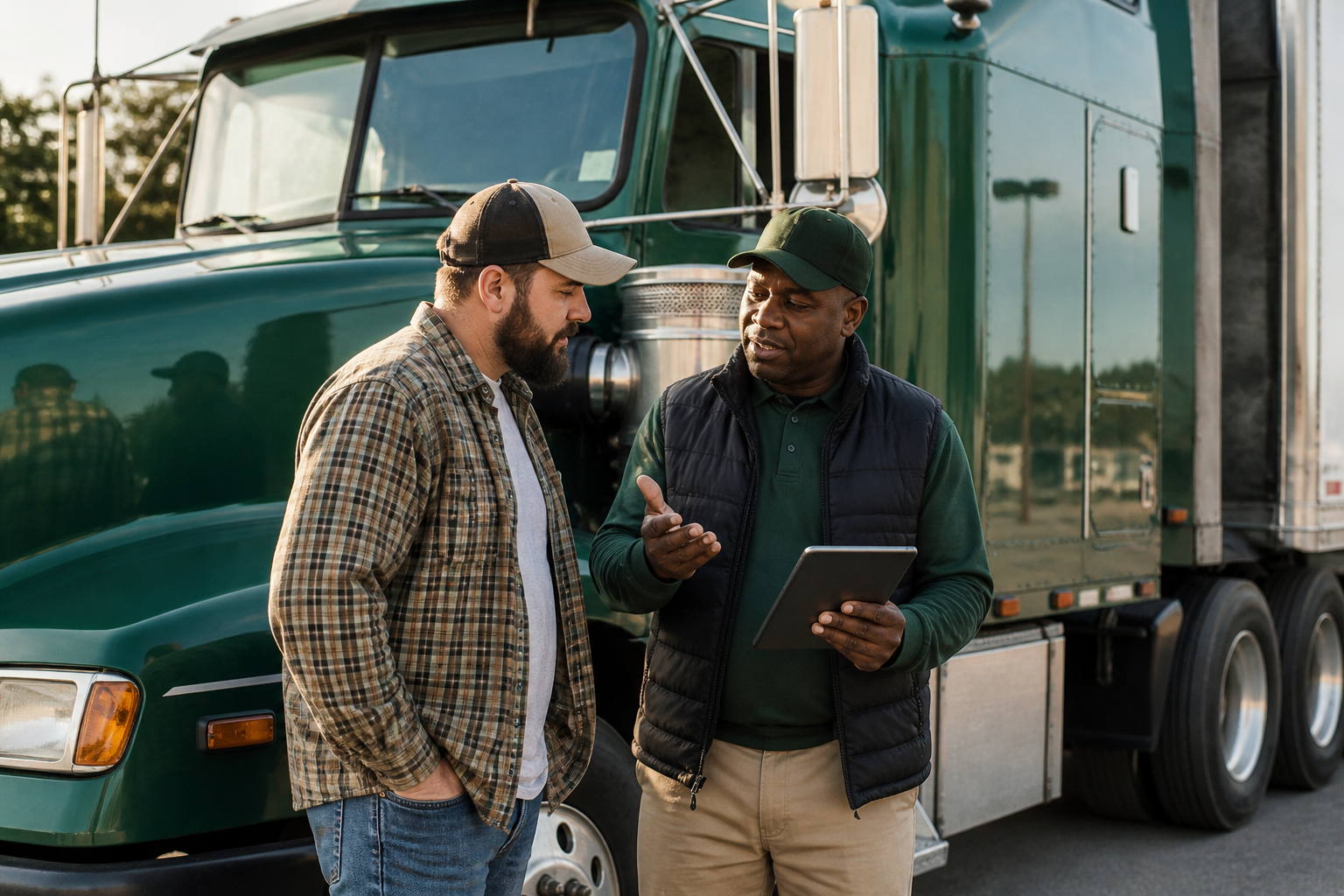
ELDT, or Entry-Level Driver Training, is an essential part of the process for prospective commercial drivers in the United States. This federal mandate requires that first-time Class A and Class B commercial driver’s license (CDL) applicants complete both theory training and behind-the-wheel training from a registered provider before they can take the skills test. Understanding these training components will help you navigate the CDL licensing process more effectively.
Key Takeaways
- ELDT includes required theory and behind-the-wheel training for new CDL applicants.
- Training must be completed through a registered provider according to federal standards.
- States may have additional requirements beyond federal guidelines, so check local regulations.
- A Commercial Learner’s Permit (CLP) is needed before skills testing, with a minimum holding period of 14 days.
- Use the FMCSA Training Provider Registry to find qualified training providers.
Theory Training: What to Expect
Theory training is the foundational component of ELDT. It covers various topics necessary for safe and effective driving in commercial settings. Here’s what you need to know:
Core Subjects
- Vehicle Operation: Understanding how to operate a commercial vehicle, including pre-trip inspections and safety protocols.
- Traffic Laws: Knowledge of federal, state, and local laws that pertain to commercial driving.
- Safe Driving Practices: Techniques to enhance safety, such as defensive driving and managing adverse driving conditions.
- Basics of Cargo Handling: Safe loading and unloading procedures, weight distribution, and securing cargo.
- Environmental Responsibilities: Understanding regulations related to emissions and waste management for commercial vehicles.
It’s important to note that while federal regulations set a baseline for theory training, individual states might have specific rules or additional requirements. Always check with your local licensing agency for precise obligations.
Behind-the-Wheel Training: Hands-On Experience
Behind-the-wheel training provides practical experience and is vital for developing the skills necessary to operate commercial vehicles safely. Here’s a breakdown of this training component:
Hands-On Skills Development
- Vehicle Control: Learn how to maneuver large vehicles, including turning, backing, and stopping safely.
- Road Experience: Gain experience driving in varied conditions, including highways, urban areas, and rural roads.
- Emergency Procedures: Training on how to handle breakdowns, accidents, or other emergencies on the road.
- Defensive Techniques: Practice skills for anticipating and reacting to other drivers’ actions to mitigate risks.
This training must also be conducted with a registered provider to qualify for the CDL skills testing. It is through this practical experience that you will build the confidence and competence needed for a successful driving career.
Differences in State Requirements
While federal regulations set the groundwork for ELDT, states may impose extra mandates. These can include:
- Additional hours of behind-the-wheel training.
- State-specific driving laws and regulations specific to local roadways.
- Additional written or practical examinations.
To ensure compliance, always consult your state’s Department of Motor Vehicles or equivalent agency for detailed requirements that might apply to you.
Checklist for Getting Started with ELDT
- Verify your eligibility for a CDL by checking medical and background requirements.
- Obtain a Commercial Learner’s Permit (CLP) and understand its holding period.
- Research registered training providers using the FMCSA Training Provider Registry.
- Complete the required theory training as outlined by your provider.
- Participate in behind-the-wheel training, focusing on both practical driving skills and safety protocols.
- Schedule your skills test with the appropriate authority once training is complete.
Frequently Asked Questions
What is the duration of ELDT training?
The duration can vary significantly depending on the training provider and state regulations. Generally, training programs include several hours of theory training and at least a minimum set of behind-the-wheel training hours.
Can I complete theory training online?
Yes, many training providers offer online theory training. However, ensure that the provider is registered with the FMCSA and that the course meets federal requirements.
Do I have to pass the theory training before getting a CLP?
No, federal ELDT regulations do not require completion of theory training before applying for a Commercial Learner’s Permit (CLP), but you must complete it before taking the skills test.
What happens if I fail the skills test?
If you fail the skills test, the process varies by state. Generally, you may retake the test after meeting any state-specific waiting period and potentially after further training with your provider.
How can I verify if a training provider is registered?
You can confirm if a training provider is registered by visiting the FMCSA Training Provider Registry and searching for the provider’s name or location.
Sources and Next Steps
To ensure you are following the correct steps in obtaining your CDL, utilize the following resources:
- FMCSA: How Do I Get a Commercial Driver’s License?
- FMCSA Training Provider Registry: Find registered training providers.
- Check your state licensing agency for additional requirements specific to your location and situation.
Taking the time to understand ELDT and its components will pave the way for a successful start to your career as a commercial driver. Equip yourself with knowledge and take actionable steps toward your CDL today!
Your next step
Compare CDL schools and training options, explore our CDL learning center, or build your knowledge with our main online CDL Test.
AI-assisted educational content. Verify current licensing requirements with your state licensing agency and training provider. Online resources do not replace required training or state licensing exams.