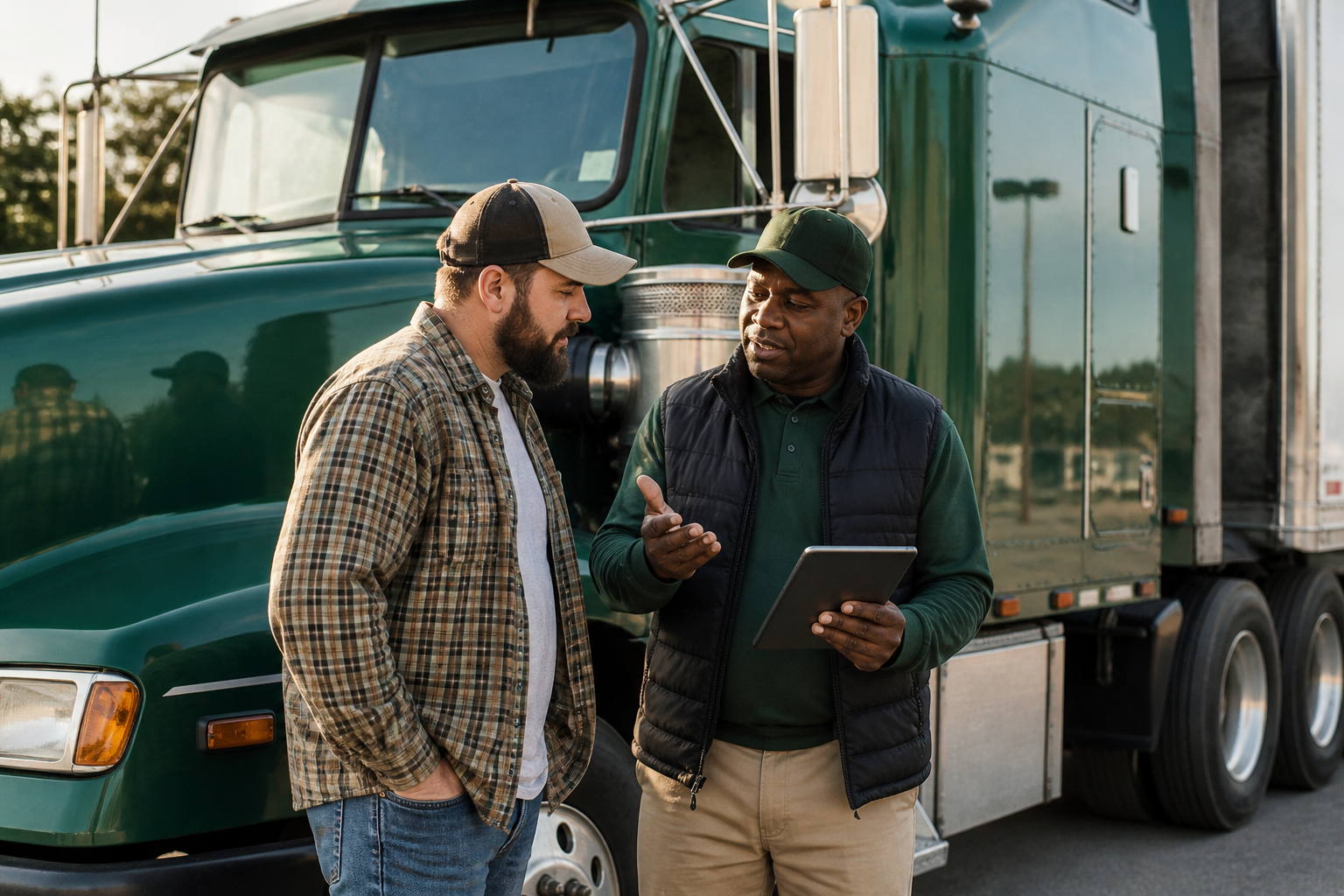
Attending CDL school is an important step for those looking to become professional drivers, but it’s essential to budget effectively for living expenses during this period. The cost of living while pursuing your Commercial Driver’s License (CDL) can vary based on several factors, but planning ahead can help ease the financial burden. This article will guide you through how to budget for living expenses during CDL school, ensuring you can focus on your training with less financial stress.
Key Takeaways
- Estimate your total living expenses including rent, utilities, food, transportation, and other essentials.
- Explore potential funding sources such as scholarships, grants, and loans tailored for CDL training.
- Consider working part-time while in school as a way to offset costs.
- Communicate with your chosen CDL school for any available financial counseling and resources.
- Maintain a detailed monthly budget to track your expenses against your income.
Understanding Your Living Expenses
Before you start budgeting, you need to identify your likely living expenses. Here’s a breakdown of common expense categories to consider:
1. Housing
Rent or mortgage payments will likely be your largest expense. Research the average rental prices in the area where your CDL school is located. Consider these options:
- Staying with family or friends to save on rent.
- Finding shared accommodation to lower monthly costs.
- Choosing a more economical neighborhood, even if it requires a longer commute.
2. Utilities
Utilities often include electricity, water, gas, internet, and cell phone bills. You can estimate these costs based on your previous bills or ask potential roommates to share typical expenses.
3. Food
Food expenses can add up quickly, especially if you are eating out regularly. Consider a budget that includes:
- Cooking at home to save money.
- Meal prepping to avoid buying last-minute takeout.
- Using grocery discounts and deals.
4. Transportation
If you’re planning on commuting to school, account for gas, public transit fares, or any needed maintenance on a vehicle. Public transportation may offer student discounts, so check for those options.
5. Miscellaneous Expenses
Additional costs like medical bills, school supplies, or leisure activities should also be factored into your budget. It’s wise to create a small buffer in your budget for unexpected expenses.
Funding Your CDL Training
To ease financial pressures, explore various funding options to help with living expenses during CDL school:
- Scholarships and Grants: Research any available scholarships specifically for CDL students. Many trucking companies and state programs offer financial aid.
- Student Loans: If necessary, consider applying for private student loans tailored for vocational training.
- Employer Sponsorship: Some trucking companies sponsor CDL training in exchange for a commitment to work for them after graduation. Evaluate whether this might be an option for you.
- Part-Time Work: Seek flexible, part-time work that can accommodate your school schedule. Many students find jobs in retail or food service, taking advantage of evening or weekend shifts.
Creating a Monthly Budget
Once you have estimated your expenses and identified potential funding sources, creating a detailed monthly budget is crucial. Here’s a simple checklist to help you:
Budget Checklist
- Identify all sources of income (loans, savings, part-time job).
- List all fixed expenses (rent, utilities, bills).
- Estimate variable expenses (food, transportation, leisure).
- Include an emergency fund component for unplanned expenses.
- Review and adjust as necessary to ensure you stay within your budget.
FAQs
1. How much should I budget for living expenses while in CDL school?
Living expenses vary widely by location but typically range from $800 to $2,000 per month, depending on housing costs and your lifestyle choices.
2. Can I apply for financial aid for CDL training?
Yes, many CDL schools offer financial aid options. Contact your chosen school for information about scholarships, grants, and loan opportunities.
3. Is it advisable to work part-time during CDL school?
Working part-time can help alleviate financial strain. Just ensure that the work hours are flexible enough to accommodate your school schedule.
4. What if my expenses exceed my income during CDL training?
If expenses exceed your income, consider adjusting your budget, cutting unnecessary costs, or seeking additional sources of income, like more hours at a part-time job.
5. How do I find the right CDL school to fit my needs?
Using resources like the CDL school directory can help you find schools that fit your financial requirements and training goals.
Sources and Next Steps
- Check the FMCSA page for CDL requirements.
- Consult the Training Provider Registry for approved training schools.
- Explore the CDL Learning Center for additional resources.
By understanding and planning your budget for living expenses during CDL school, you can better focus on your training and achieve your goal of earning your CDL without financial distractions.
Your next step
Compare CDL schools and training options, explore our CDL learning center, or build your knowledge with our main online CDL Test.
AI-assisted educational content. Verify current licensing requirements with your state licensing agency and training provider. Online resources do not replace required training or state licensing exams.