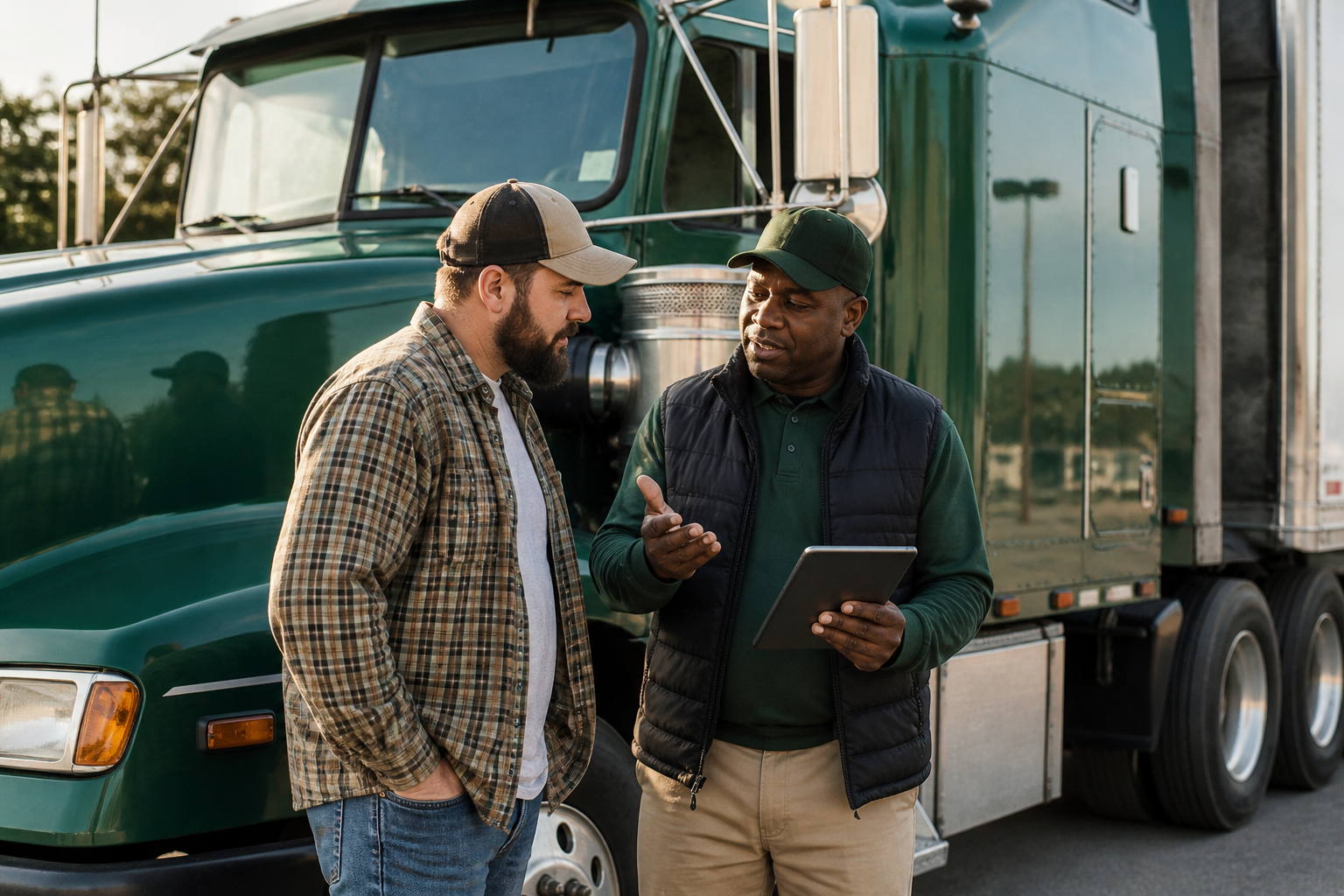
Choosing the right Commercial Driver’s License (CDL) school is a crucial step on your path to becoming a professional truck driver. This decision will impact the quality of your training, which in turn can affect your ability to pass the required tests and succeed in your driving career. This article provides a clear checklist to help you evaluate potential schools and make an informed choice.
Key Takeaways
- Ensure the school is a registered training provider through the FMCSA.
- Consider the types of programs offered and their alignment with your career goals.
- Evaluate the costs involved, including hidden fees and financing options.
- Check the school’s facilities and equipment to ensure they meet industry standards.
- Seek feedback from current and former students about their experiences.
Understanding CDL Training Requirements
Before diving into how to choose a school, it’s essential to understand the basic requirements for obtaining a CDL. According to the Federal Motor Carrier Safety Administration (FMCSA), prospective drivers need to complete training through registered providers before they can take the skills testing for their Class A or Class B licenses. Keep in mind that each state may have additional requirements, so always verify the specific regulations with your local licensing agency.
Key Factors to Consider When Choosing a CDL School
1. Training Provider Registration
Check if the school is listed on the FMCSA’s Training Provider Registry. This list includes schools that meet federal standards for training. However, being on this list doesn’t imply quality or ranking. Always do further research into the school’s reputation.
2. Types of Programs Offered
Different schools may offer various programs based on the class of license you are pursuing. Class A and Class B licenses are common, so it’s essential to choose a school that provides training relevant to your career goals. Look for schools that offer:
- Classroom instruction on regulations and safety.
- Hands-on training and behind-the-wheel experience.
- Flexible schedules or part-time options if needed.
3. Costs and Financing Options
Tuition costs can vary widely between schools, and there may be additional fees for materials or equipment. Be sure to ask about:
- Tuition fees and any additional costs.
- Payment plans or financing options that may be available.
- Potential scholarship opportunities.
Always double-check current tuition costs directly with the school to avoid surprises.
4. Quality of Facilities and Equipment
Visit the school’s facility if possible, or look for virtual tours. Check whether the equipment used for training is modern and well-maintained. Consider questions like:
- Are the trucks new enough to reflect the current technology used in the industry?
- Does the school have adequate space for learning and practice?
5. Student Feedback and Success Rates
Student testimonials can provide valuable insights. Reach out to current and former students to gauge their experiences. Questions to ask include:
- How well did the training prepare them for the CDL test?
- Were instructors knowledgeable and supportive?
- Did they feel ready for a job after completing the program?
Comparison Checklist
| Factor | Criteria | Checked? |
|---|---|---|
| Training provider registration | FMCSA registered provider | |
| Program Offerings | Class A/B courses, hand-on training | |
| Cost | Total tuition and hidden fees | |
| Facilities | Modern equipment and training space | |
| Student Feedback | Positive experiences and satisfaction |
Frequently Asked Questions
What is the minimum requirement to obtain a CDL?
To obtain a CDL, you typically need to complete training from a registered provider. Afterward, you must pass a skills test. Remember that rules can vary by state, so check with your state’s licensing agency for specific details.
Can I get financial aid for a CDL program?
Many schools offer financial assistance or payment plans. Be sure to ask about these options during the admission process. You can also check for scholarships available in your state.
Is it better to choose a local or online CDL school?
Local schools often provide hands-on training with background on local regulations. Online schools might offer flexible schedules but usually require practical experience in person. The best choice depends on your individual needs and learning style.
How long will it take to get my CDL?
The duration of CDL training programs varies; most programs can take a few weeks to a few months. Some schools offer accelerated programs, while others may have part-time options that extend the timeline. Always verify with the school directly for the best estimate.
What happens if I don’t pass the CDL test?
If you don’t pass your CDL test on the first try, you can typically retake it after a certain waiting period. Check with your state’s licensing agency for specific guidelines regarding retests.
Sources and Next Steps
Choosing a CDL school is a significant decision that requires careful consideration. To find registered CDL schools in your area, visit our CDL School Directory. For further understanding of CDL requirements, refer to the FMCSA website or your local Department of Motor Vehicles.
Utilize our CDL knowledge test to test your knowledge and prepare for your licensing examination. Good luck as you embark on your journey to becoming a commercial driver!
Your next step
Compare CDL schools and training options, explore our CDL learning center, or build your knowledge with our main online CDL Test.
AI-assisted educational content. Verify current licensing requirements with your state licensing agency and training provider. Online resources do not replace required training or state licensing exams.