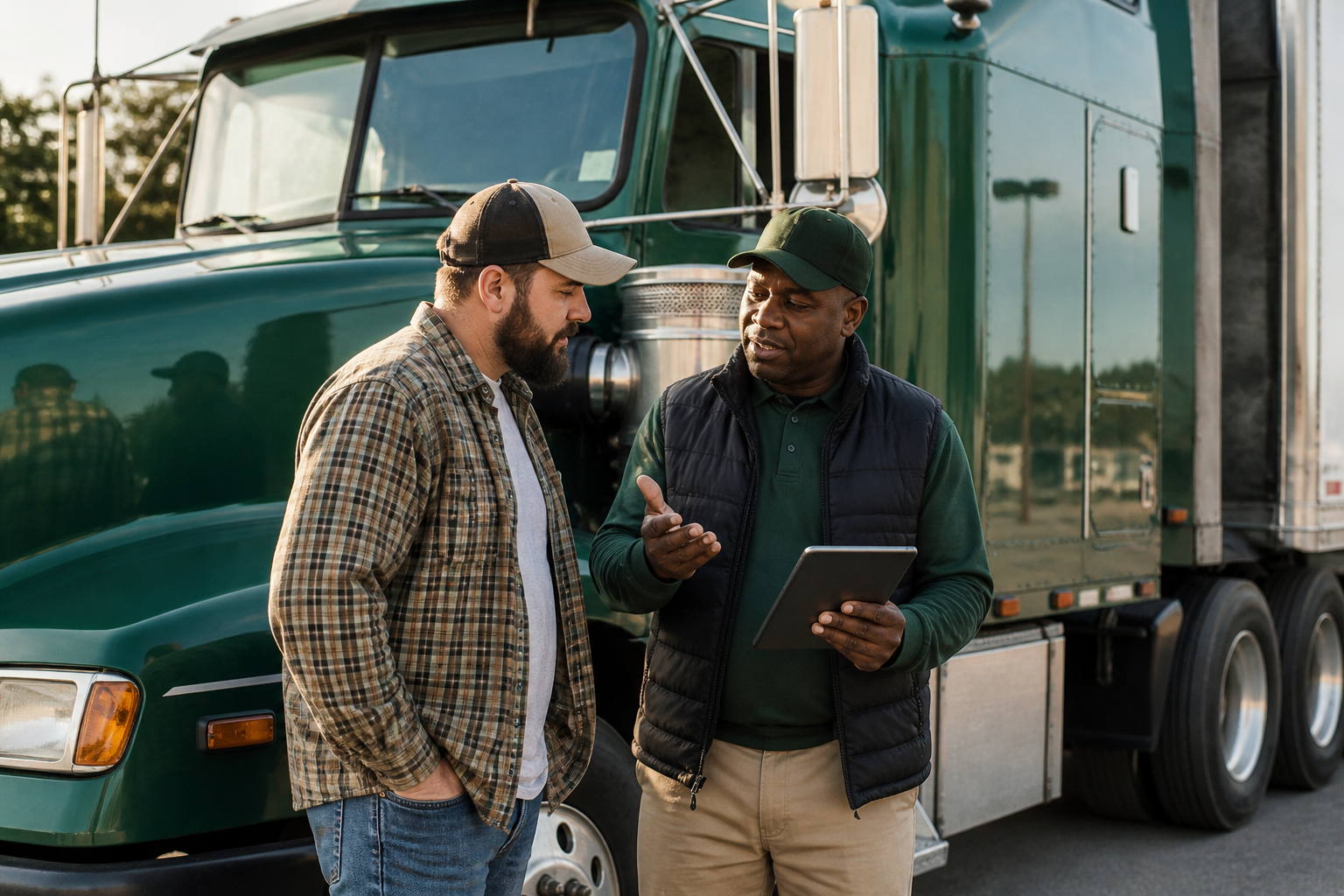
Your first truck driving job can be an exciting yet challenging transition for new CDL holders. Knowing where to start and how to prepare can make a significant difference as you enter the trucking industry. This checklist will help prospective U.S. CDL students and new commercial drivers streamline their journey into their first job.
Key Takeaways
- Understand the CDL licensing process thoroughly, including training and testing requirements.
- Research potential employers to find a company that aligns with your personal and professional goals.
- Prepare for interviews and emphasize your training and skills.
- Familiarize yourself with industry regulations and safety standards.
- Stay organized with a checklist to track important tasks and documents.
Understanding the CDL Licensing Process
Before you can start applying for your first truck driving job, you must ensure all aspects of your CDL (Commercial Driver’s License) education and testing are complete. The following steps represent the general process:
1. Complete a Training Program
FMCSA regulations require that first-time Class A/Class B applicants undergo registered-provider training before taking the skills test. Enroll in a training program from the Training Provider Registry to ensure you’re receiving instruction from a registered provider.
2. Obtain a Commercial Learner’s Permit (CLP)
Get your CLP using your state licensing agency process. Applicable ELDT must be completed before skills testing; federal rules do not require theory completion before applying for a CLP. Confirm the state sequence and training record before booking your test.
3. Pass the Skills Test
Once you’ve held your CLP for the designated time, schedule and complete your skills test. This test will assess your ability to operate a commercial vehicle safely.
Researching Potential Employers
Not all trucking companies are created equal. Research is crucial to finding a company that fits your needs and aspirations.
1. Types of Trucking Jobs
Familiarize yourself with different types of trucking jobs, including:
- Long-haul trucking
- Local delivery services
- Specialty hauling (e.g., hazardous materials, refrigerated goods)
2. Company Reputation
Look for reviews and testimonials about potential employers. Resources like job boards, forums, and social media can provide insights into employee satisfaction and company culture.
3. Compensation and Benefits
Investigate what different companies offer in terms of pay, benefits, and home time. Although the BLS May 2025 median wage for heavy and tractor-trailer truck drivers was $58,640, first-year wages can vary significantly. Confirm compensation details directly with employers.
Preparing for Interviews
Your interview is your opportunity to showcase your training, skills, and readiness for the job. Here are several tips:
1. Highlight Your Training
Discuss the skills you developed during your training program, such as safety practices and vehicle handling. This displays your preparedness for the job.
2. Ask Intelligent Questions
Prepare thoughtful questions to ask the interviewer to demonstrate your interest and commitment to the position. Inquire about company policies, training programs, and support for new drivers.
Understanding Regulations and Safety Standards
Familiarize yourself with industry regulations, including FMCSA guidelines and state-specific trucking laws. Knowledge of safety standards is critical for maintaining compliance and ensuring your well-being on the road.
Checklist for New CDL Holders
Use this checklist to ensure you are ready for your first truck driving job:
- Complete required training program.
- Obtain and hold a Commercial Learner’s Permit (CLP) for at least 14 days.
- Pass the skills test to obtain your CDL.
- Research potential employers and their reputations.
- Prepare for interviews by practicing your responses and formulating questions.
- Familiarize yourself with federal and state regulations.
- Set up a professional resume highlighting your training and skills.
- Gather required documentation (CDL, endorsements, etc.) for job applications.
FAQs
1. What is the average time to obtain a CDL?
The process varies by individual and state requirements but typically takes a few weeks to months, considering training and testing.
2. Do I need to have a perfect driving record to get a job?
While a clean driving record is beneficial, many employers may consider your training and potential. It’s best to clarify specific employer policies regarding driving records.
3. Are there age restrictions for truck drivers?
Yes, federal law requires drivers to be at least 21 years old to operate a commercial vehicle across state lines. Some states may allow younger drivers for intrastate operations.
4. Can I choose the type of freight I want to haul?
While many companies may have specific freight types they focus on, some may allow you to express your preferences during the hiring process.
5. How can I find jobs after getting my CDL?
Utilize job boards, industry networking events, and company websites to search for opportunities. You can start browsing available driving jobs instantly on our website.
Sources and Next Steps
To dive deeper into getting your CDL and finding the right school for your training, check out the following resources:
- FMCSA CDL Licensing Information
- Training Provider Registry
- Find CDL Schools
- Browse Driving Jobs
- CDL Learning Center
- Online CDL Knowledge Test
Getting your first truck driving job requires careful planning and research. By following this checklist and utilizing available resources, you can set yourself up for success in your new career as a commercial driver.
Your next step
Compare CDL schools and training options, explore our CDL learning center, or build your knowledge with our main online CDL Test.
AI-assisted educational content. Verify current licensing requirements with your state licensing agency and training provider. Online resources do not replace required training or state licensing exams.